

Starting a business is an exciting venture, but there are important steps to take to stay compliant with IRS rules, especially when it comes to paying contractors. Whether you’re just starting up and hiring your first independent contractor or scaling up, it’s crucial to understand the requirements around payments, reporting, and taxes.
Contractors Before Employees: A Common Path
In the gig economy, many entrepreneurs opt to hire contractors before taking on the responsibility of employees. Contractors offer flexibility and cost savings, allowing you to grow your business without the overhead of full-time employees. But with that flexibility comes responsibility, specifically, the obligation to follow the IRS rules for reporting contractor payments.

1099-NEC and the $600 Rule
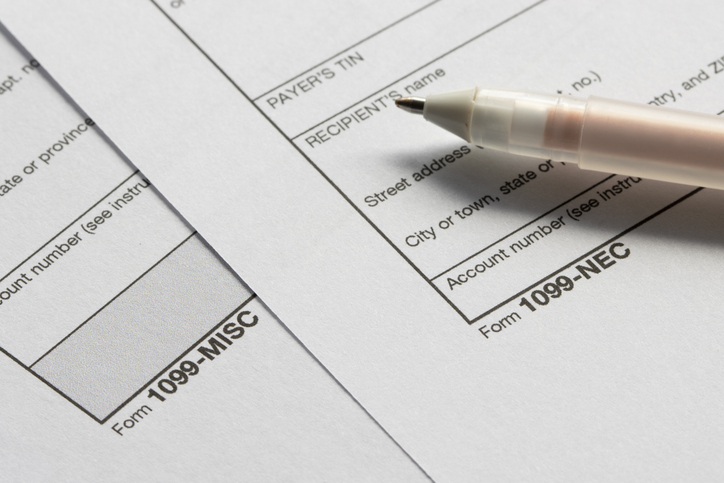
If you pay a contractor $600 or more over the course of a tax year, you are required by law to issue them a 1099-NEC. This document reports how much you paid them so that they can properly file their taxes. But here’s the catch: This applies to actual payments, not just invoices or amounts owed.
Step 1: Collecting Contractor Information with a W-9
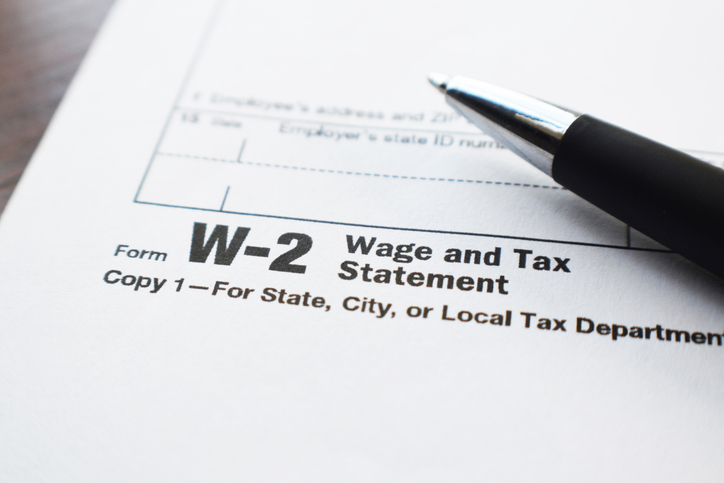
Before you start paying contractors, we strongly recommend that you request a W-9 form from each contractor or vendor you work with. The W-9 will collect their Taxpayer Identification Number (TIN), which could either be their Social Security Number (SSN) or an Employer Identification Number (EIN). This is the crucial piece of information you’ll need when issuing a 1099-NEC at the end of the year.
The W-9 form is the required document for all 1099-NEC filings, and it helps ensure you have accurate information for reporting purposes.
Step 2: Tracking Payments
At the end of the year, you’ll need to report the total payments made to each contractor. Keep in mind that this is the total payments, not the number of invoices or the amount you still owe. The payments include everything you paid via ACH, check, or wire transfer.
It’s essential to keep accurate records of these payments, because the IRS will expect you to report them correctly. Missing a payment or misreporting could lead to penalties.
Step 3: Filing 1099-NEC
Once you’ve tracked your contractor payments for the year, it’s time to issue them a 1099-NEC form. This form will report the total amount of payments you made to them throughout the year. Filing this form correctly and on time is critical to staying compliant with IRS requirements.
For easy tracking and filing, we recommend using services like taxaidfiling.com. This platform offers an intuitive way to keep track of contractor payments and ensures that you stay on top of your 1099-NEC filings, reducing the risk of errors or missed deadlines. Plus, it simplifies the entire process—leaving you more time to focus on growing your business.
But What About Payments via Personal Credit Card, Venmo, or Stock?
Now, what if you paid a contractor using your personal credit card, Venmo, or even issued them stock? That’s a different situation. These types of payments fall into separate categories and may not count as “payments” in the same way that checks, or bank transfers do.
But don’t worry. That’s a topic for another blog post! We’ll dive into these specific scenarios in detail soon, so stay tuned!
Conclusion
Navigating the start-up world and gig economy as a business owner can be both rewarding and challenging. By staying organized and compliant with IRS regulations, especially when it comes to paying contractors and issuing 1099-NEC forms, you can ensure your business remains in good standing. Always remember to collect W-9 forms, track your payments accurately, and file your 1099-NEC forms with confidence.
For a hassle-free way to manage your contractor payments and filings, consider using services like taxaidfiling.com – your trusted partner for seamless compliance.
Stay compliant. Stay organized. Grow your business.